Introduction
How long must essential equipment remain operational during a power interruption? For Senegalese businesses, selecting a UPS and battery bank requires more than choosing a power rating. Load characteristics, backup duration, electrical compatibility, and installation conditions must all be assessed before procurement.
1. Why Backup Duration Should Be Decided Before UPS Capacity
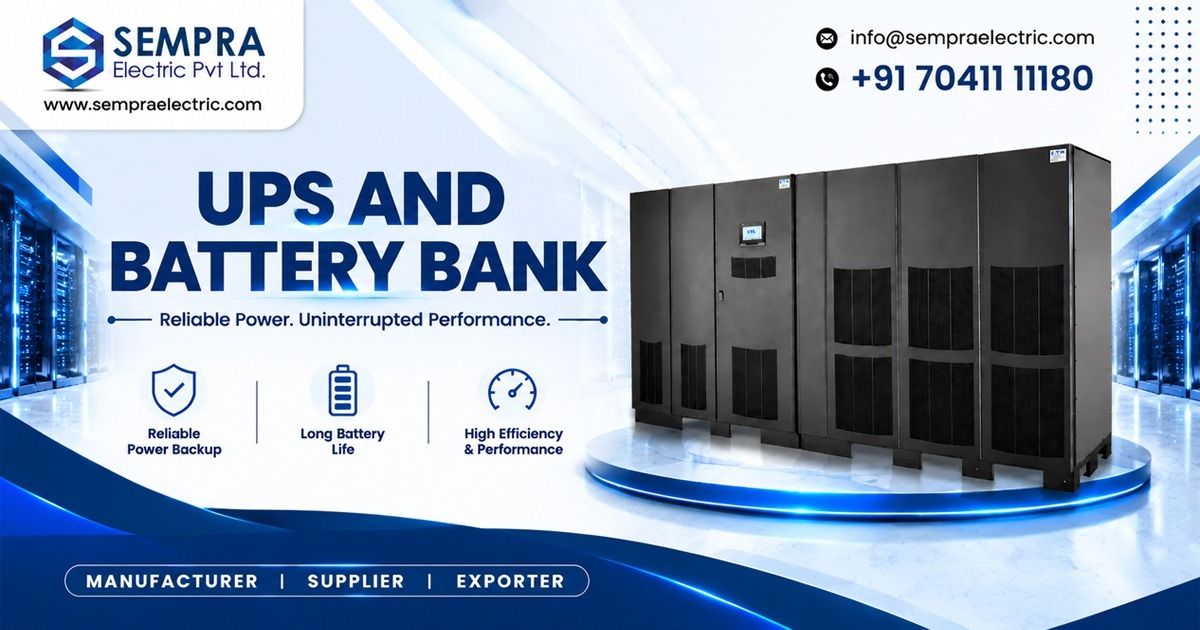
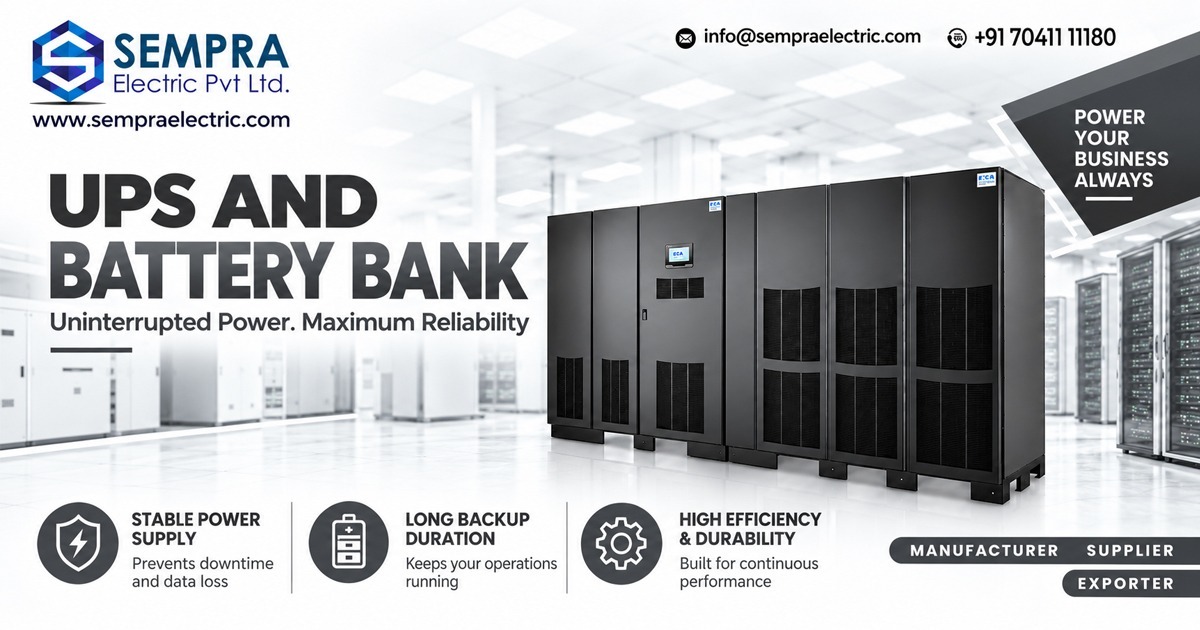
A UPS (Uninterruptible Power Supply) provides temporary electrical power when the primary supply fails. The battery bank stores the energy needed to support connected equipment during an interruption.
However, UPS capacity and battery backup duration are two different design considerations. UPS capacity determines how much load the system can support, while battery capacity and operating conditions influence how long that load can run.
Before approaching a UPS and Battery Bank Exporter in Senegal, identify:
– The equipment that must remain operational during an outage.
– The total electrical load, including its power factor and starting characteristics.
– The minimum backup duration required for safe shutdown or continued operation.
– Whether the system must support the full load or only essential equipment.
This information gives suppliers a practical basis for recommending a suitable configuration.
2. Which Loads Need Priority During a Power Failure?
Not every electrical device needs the same level of backup protection. Separating critical equipment from non-essential loads can help prevent unnecessary oversizing and clarify the actual battery requirement.
For example, a business may prioritise servers, network equipment, control systems, communication devices, or essential monitoring equipment. Heavy machinery and large motors require separate assessment because their starting currents may exceed normal operating demand.
A useful planning method is to divide connected equipment into three groups:
– Critical loads: Equipment that must remain powered without interruption.
– Operational loads: Equipment that needs backup for a defined period.
– Non-essential loads: Equipment that can be disconnected during an outage.
This classification helps the procurement team define the intended operating conditions before requesting a quotation.
3. How Battery Sizing Changes With the Required Runtime
Battery sizing should begin with the load that must be supported and the time for which it must operate. Simply adding more batteries without checking UPS compatibility can create design problems.
The battery bank must match the UPS manufacturer’s permitted DC voltage range, battery configuration, charging capability, and discharge requirements. Battery chemistry also matters because lead-acid and lithium-ion batteries can have different charging, monitoring, and protection requirements.
Procurement teams should request a battery autonomy calculation based on the proposed load and required runtime. The calculation should account for conversion losses, battery discharge limits, operating temperature, and allowances for battery ageing where applicable.
For background, the Schneider Electric UPS buying guide explains how connected load and battery capacity influence runtime.
4. Check Electrical Compatibility Before Exporting to Senegal
A UPS ordered for one market should not automatically be assumed suitable for another. Before confirming an order, the buyer and supplier should establish the electrical requirements at the intended installation site in Senegal.
Confirm these details in writing:
– Input supply: Available voltage, frequency, phase arrangement, and acceptable input variation.
– Output requirements: Voltage, frequency, phase arrangement, and power quality required by connected equipment.
– Earthing and protection: Site earthing arrangement, protective devices, and applicable electrical installation requirements.
– Generator compatibility: Whether the UPS must operate with a standby generator and whether its input characteristics are compatible with that generator.
– Environmental conditions: Ambient temperature, ventilation, dust exposure, and battery-room requirements.
The final selection should follow the actual site supply and equipment nameplates, not assumptions based on the export destination alone.
5. A Practical Procurement Scenario
Consider a hypothetical food-processing facility near Dakar that needs backup power for its control system, network equipment, and production monitoring devices.
The procurement team initially requests a UPS based on the combined wattage of all equipment. During technical review, the team discovers that certain motors and production machines are not required to remain powered during an outage.
By separating essential electronic loads from heavy machinery, the buyer can request a more clearly defined UPS configuration and battery runtime calculation. The supplier can then evaluate load capacity, starting-current concerns, and the required battery arrangement before issuing the final quotation.
This example illustrates why defining the backed-up load is often more useful than selecting a UPS by kVA rating alone.
6. What Should a UPS Export Quotation Include?
A useful quotation should allow the buyer to assess both technical suitability and the complete cost of procurement.
Ask the supplier to clarify:
– UPS model, rated kVA and kW output, input requirements, and output configuration.
– Battery chemistry, quantity, configuration, and calculated backup duration.
– Included accessories, battery cabinets, breakers, cables, and monitoring options.
– Technical datasheets, applicable compliance documents, and warranty terms.
– Packaging, shipment arrangements, delivery terms, and responsibilities for customs clearance.
– Installation responsibilities, commissioning requirements, and availability of replacement batteries.
Compare quotations on an equivalent technical basis. A lower-priced package may not include the same battery autonomy, accessories, documentation, or support arrangements.
7. Installation Planning and Battery Maintenance
The installation environment affects safe operation and long-term reliability. Before shipment, confirm that the intended site has sufficient floor space, suitable ventilation, safe access for battery replacement, and the required electrical infrastructure.
Battery maintenance requirements depend on the selected chemistry and manufacturer’s instructions. Lead-acid systems may require specific inspection and environmental controls, while lithium-ion systems require compatible battery management and protection arrangements.
The site team should receive the applicable operating manuals, maintenance schedules, alarm instructions, and replacement procedures. Where a standby generator is used, commissioning should also verify the transition between the normal supply, UPS, and generator under the intended operating conditions.
8. Buyer Checklist Before Placing an Export Order
Use these checks before finalising a purchase with a UPS and Battery Bank Exporter in Senegal.
- Prepare an equipment-wise load schedule with watts, power factor, and starting-current details where relevant.
- Specify the minimum backup duration and identify which loads must remain powered.
- Confirm site voltage, frequency, phase, earthing, and generator interface requirements.
- Obtain a battery sizing calculation and verify compatibility with the proposed UPS.
- Review technical documents, warranty coverage, delivery terms, and replacement battery arrangements.
- Confirm the installation location, ventilation, maintenance access, and commissioning responsibilities.
Completing these checks gives procurement teams a clear technical brief to share with potential suppliers.
9. Technical Support and Procurement Coordination
For an export project, clarify the following support requirements with the supplier before the purchase order is released.
1. Load and configuration review: Share the equipment schedule and required backup duration for technical evaluation.
2. Battery compatibility checks: Confirm the battery arrangement, charger requirements, and manufacturer-approved configuration.
3. Documentation coordination: Request technical datasheets, operating manuals, warranty details, and relevant compliance documents.
4. Installation planning: Agree on site preparation, commissioning responsibilities, and maintenance requirements before shipment.
These are recommended procurement checkpoints; the exact support services included should be confirmed with the supplier for the individual order.
10. Sourcing UPS and Battery Banks for Senegal
Buyers in Senegal should evaluate export logistics alongside electrical suitability. The shipment plan should identify the delivery destination, packaging requirements, import documentation, customs responsibilities, and any special handling requirements for batteries.
The intended installation city also matters when arranging transport, site access, commissioning, and future replacement components. Buyers should confirm delivery arrangements for their particular destination rather than assume that every supplier offers local service coverage.
Relevant business and industrial locations include Dakar, Thiès, Saint-Louis, Touba, Kaolack, Ziguinchor, Mbour, Diourbel, Louga, Tambacounda, Kolda, Matam, Fatick, Kaffrine, Sédhiou, Kédougou, Richard-Toll, Rufisque, Pikine, Guédiawaye, Diamniadio, Bargny, Tivaouane, Joal-Fadiouth, and Sokone.
11. About Sempra Electric Pvt. Ltd.
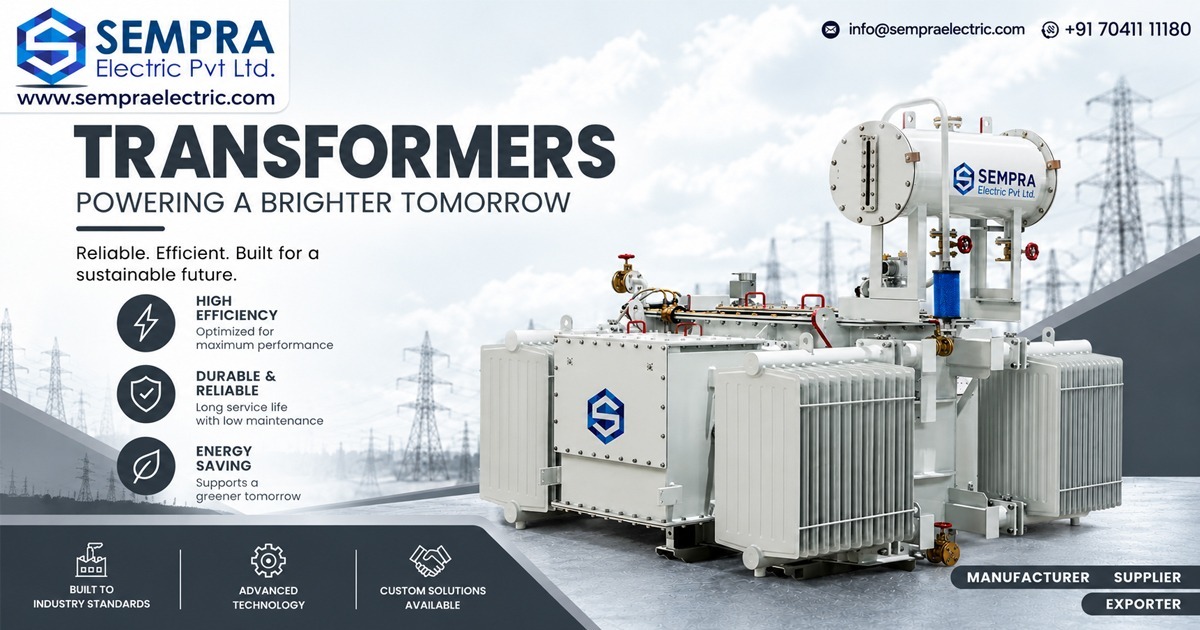
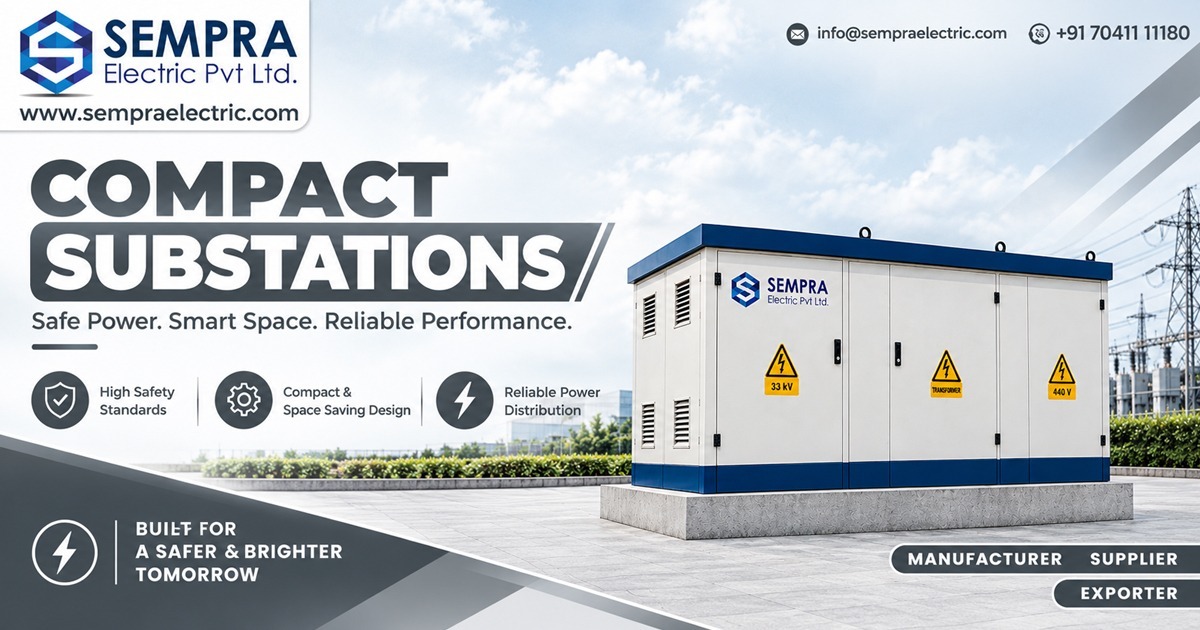
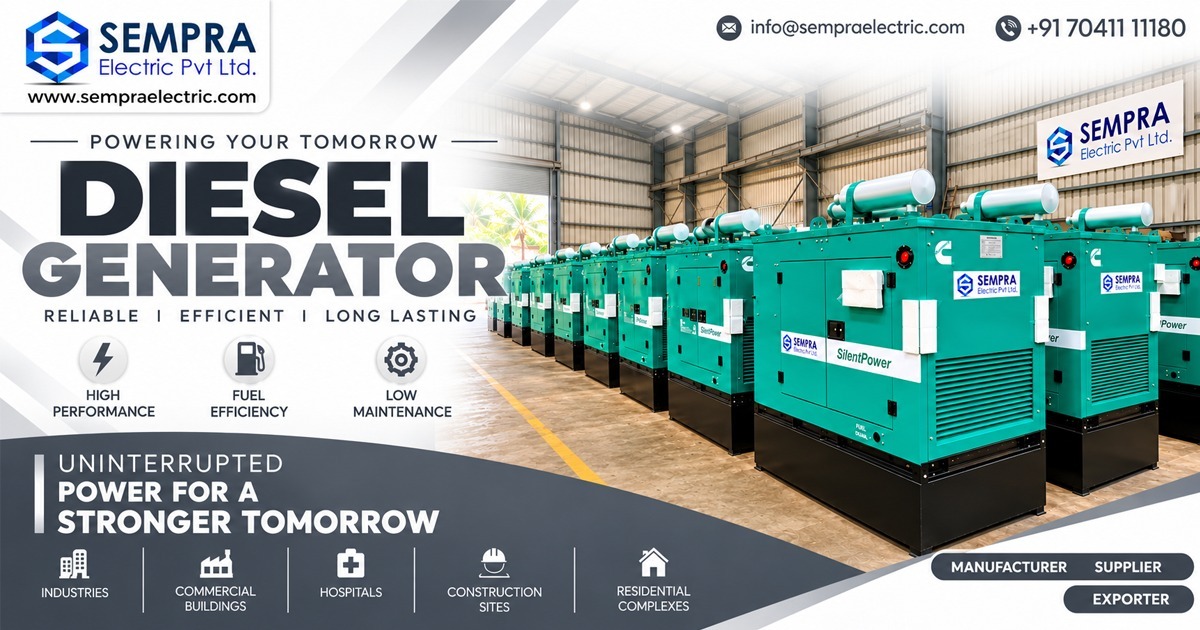
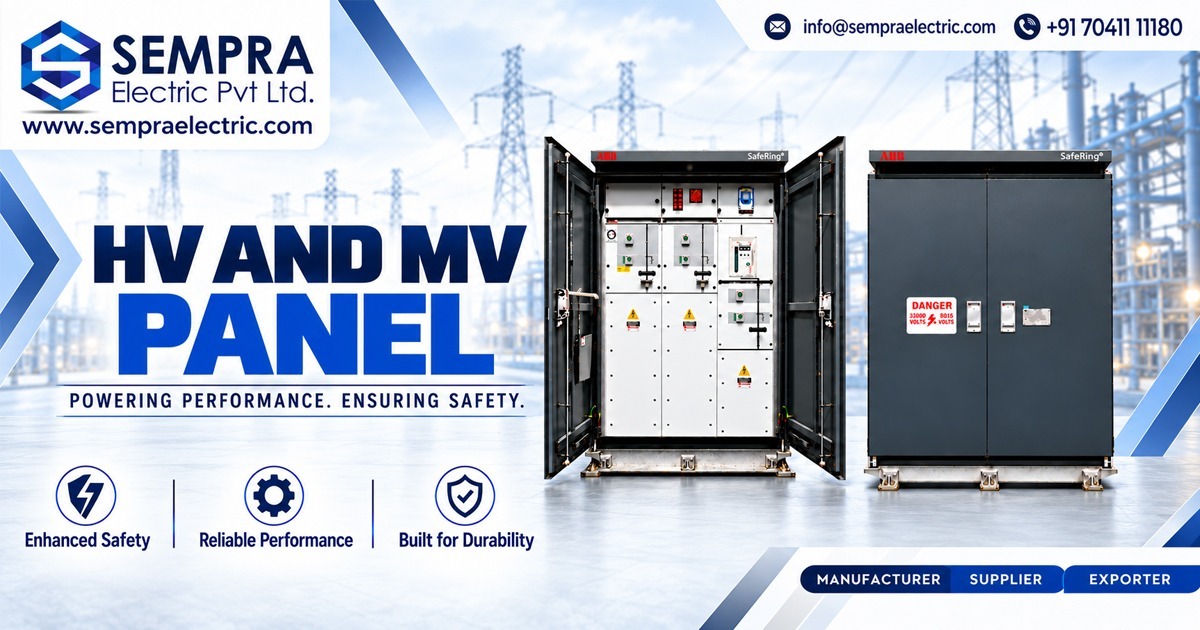
Sempra Electric Pvt. Ltd. operates from Ahmedabad, Gujarat, India, and lists UPS and battery banks among its electrical product offerings. Its website also identifies products such as transformers, voltage stabilizers, diesel generators, and LV panels.
For buyers seeking a UPS and Battery Bank Exporter in Senegal, the company can be approached to discuss project requirements, product configurations, and export enquiries.
Visit the official website: sempraelectric.com.
The manufacturing support location supplied for this project is Ahmedabad, Gujarat, India. Product availability, technical configuration, export arrangements, and any Senegal-specific support should be confirmed directly with the company.
12. Frequently Asked Questions
Q1. How do I determine the required UPS capacity for an industrial facility in Senegal?
Prepare a load schedule showing wattage, power factor, starting currents, and critical equipment. Use these details to establish the UPS rating and required operating margin with the supplier.
Q2. Can a battery bank be added to an existing UPS to increase backup time?
Possibly, but the UPS must support external batteries and the proposed battery configuration. Confirm DC voltage, charging capacity, battery compatibility, and manufacturer restrictions before making changes.
Q3. Which battery details should be checked before importing a UPS system?
Verify battery chemistry, quantity, rated capacity, configuration, charging requirements, expected operating conditions, warranty, and applicable transport and import documentation.
Q4. What affects the delivered cost of a UPS and battery bank in Senegal?
The final cost depends on UPS capacity, battery type and quantity, required backup duration, accessories, packaging, freight, insurance, customs charges, and any agreed installation or commissioning services.
13. Conclusion
Selecting a suitable UPS and battery bank for Senegal starts with defining the essential electrical load and the required backup duration. Buyers should also verify input and output compatibility, battery configuration, installation conditions, and export documentation. A complete technical brief helps suppliers prepare quotations that can be compared on a consistent basis.
Contact Sempra Electric Pvt. Ltd. to discuss your UPS capacity, battery backup duration, electrical requirements, and export enquiry for Senegal.
Website: https://sempraelectric.com/
Phone:
+91 70411 11180
Email:
semprasales@gmail.com
sempraelectric@gmail.com
Please feel free to contact us today for more information or to place your order.