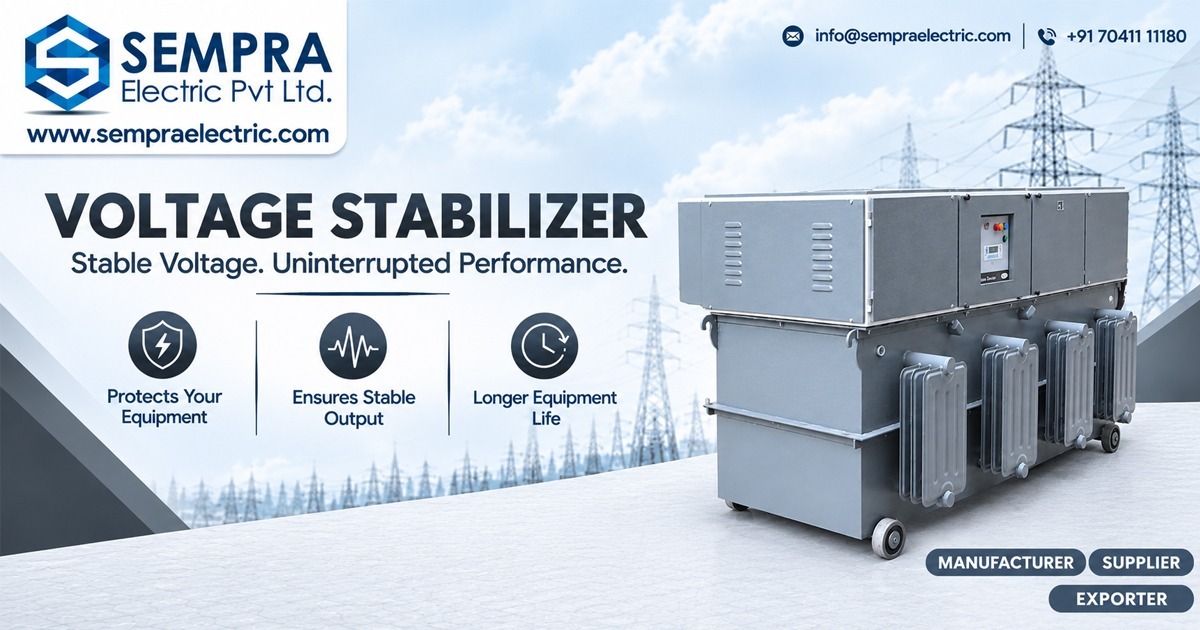
Voltage fluctuations can affect industrial machinery, electrical equipment, and production continuity. Businesses in Senegal need suitable voltage regulation for their operating conditions. Sempra Electric Pvt. Ltd. offers a manufacturing reference from Ahmedabad, Gujarat, India, for buyers evaluating stabilizer requirements.
Understanding Voltage Stabilizers for Industrial and Commercial Power Systems
A voltage stabilizer is an electrical device designed to maintain a more consistent output voltage when the incoming supply fluctuates within its operating range.
For industrial and commercial facilities, unstable voltage can create operational difficulties, particularly when connected equipment requires a specified voltage supply.
A suitable stabilizer helps manage these variations and supports the electrical requirements of connected loads.
Common equipment that may require voltage regulation includes:
- CNC machines and industrial machinery
- Production and packaging equipment
- Commercial refrigeration systems
- Air conditioning installations
- Laboratory and testing equipment
- Office and commercial electrical systems
The stabilizer must be selected according to the equipment load, input voltage conditions, output requirements, and installation environment.
What Senegal Buyers Should Check Before Selecting a Stabilizer
Senegalese importers and industrial buyers should evaluate their actual electrical supply conditions instead of selecting equipment based only on its rated capacity.
Important considerations include:
- Input voltage range: Identify the minimum and maximum voltage experienced at the installation site.
- Output voltage: Confirm the voltage required by the connected machinery.
- Load capacity: Calculate the total connected load and consider equipment starting requirements.
- Phase configuration: Determine whether the application requires single-phase or three-phase equipment.
- Frequency compatibility: Confirm that the stabilizer is suitable for the local electrical supply frequency.
- Operating environment: Consider ambient temperature, ventilation, dust, humidity, and installation conditions.
Senegal generally uses a 230 V single-phase and 400 V three-phase electrical supply at 50 Hz. However, buyers should verify the actual supply conditions at their facility before finalizing the equipment specification.
How a Voltage Stabilizer Responds to Supply Fluctuations
The basic function of a voltage stabilizer is to monitor incoming voltage and regulate its output when the supply moves outside the desired operating range.
A typical operating sequence involves:
- Incoming power: Electrical supply enters the stabilizer from the source.
- Voltage monitoring: The control system monitors the incoming voltage level.
- Voltage correction: The regulating mechanism adjusts the voltage according to the equipment configuration.
- Output supply: Corrected voltage is delivered to the connected electrical load.
- Continuous monitoring: The system continues monitoring voltage variations during operation.
The exact correction mechanism depends on the stabilizer design. Buyers should discuss the required regulation method, response characteristics, and protection arrangements with the manufacturer.
Selecting Capacity Without Overloading the Electrical System
An incorrectly sized stabilizer can create unnecessary operating limitations. A unit with insufficient capacity may struggle when several machines operate simultaneously, while an oversized unit may increase initial purchasing costs without providing a practical advantage.
Before requesting a quotation, prepare the following information:
- Total connected load in kW or kVA
- Individual equipment ratings
- Motor starting or inrush current requirements
- Simultaneous operating load
- Input voltage variation
- Required output voltage
- Single-phase or three-phase supply
- Expected future load additions
For motor-driven equipment, starting current deserves particular attention. The stabilizer should be evaluated against actual operating and starting conditions rather than the motor’s rated running load alone.
For three-phase installations, also discuss phase imbalance and the consequences of abnormal voltage conditions with the equipment supplier.
Installation Planning for Overseas Supply and Commissioning
For an imported stabilizer, installation planning should begin before the equipment is dispatched from India.
Senegal buyers should coordinate with their electrical contractor and equipment supplier to prepare the installation location.
Important installation considerations:
- Mounting area: Provide sufficient floor space and a suitable mounting arrangement.
- Ventilation: Maintain adequate airflow around the equipment according to the manufacturer’s instructions.
- Cable routing: Plan incoming and outgoing cable routes based on the electrical layout.
- Electrical protection: Confirm suitable upstream protection, earthing, and isolation arrangements.
- Accessibility: Keep sufficient space for inspection and routine maintenance.
- Commissioning: Arrange appropriate electrical checks and trial operation before connecting critical machinery.
For overseas projects, confirm the installation drawings, wiring information, operating instructions, and technical documentation before shipment.
Operating Symptoms That Deserve an Electrical Inspection
Voltage stabilizers require attention when the connected equipment starts showing unusual operating behaviour. Identifying the symptoms early can help prevent unnecessary production interruptions.
| Common Issue | Possible Cause | Practical Check |
| Output voltage variation | Input supply outside the specified range | Record incoming and outgoing voltage |
| Stabilizer overload | Connected load exceeds rated capacity | Review the total operating load |
| Frequent protective shutdown | Electrical fault or abnormal supply condition | Arrange inspection by a qualified electrician |
| Excessive heating | Overloading or insufficient ventilation | Check loading and airflow |
| Unusual noise | Mechanical or electrical component issue | Arrange technical inspection |
| Inconsistent equipment operation | Supply compatibility or voltage regulation issue | Check equipment requirements and stabilizer output |
Electrical inspection and internal repairs should be handled by qualified personnel. Buyers should follow the manufacturer’s maintenance instructions rather than attempting adjustments without technical guidance.
Quality Documentation to Request Before Importing Electrical Equipment
International procurement involves more than checking the product description and quoted price. Buyers importing a voltage stabilizer should establish what will be supplied and how the equipment will be verified.
Consider requesting the following information:
- Product datasheet with rated capacity and operating range.
- Input and output voltage details.
- Single-phase or three-phase configuration.
- Frequency compatibility.
- Electrical connection and wiring diagrams.
- Protection functions and operating information.
- Applicable routine inspection or test documentation.
- Installation and maintenance instructions.
- Packing details and equipment dimensions.
- Warranty terms and spare-parts availability.
Also confirm the applicable import, electrical safety, and conformity requirements with the relevant authorities or local importer in Senegal.
The purchase agreement should clearly identify the agreed specifications, inspection requirements, documentation, delivery terms, and responsibilities for installation.
Services
Sempra Electric Pvt. Ltd. provides an electrical equipment portfolio that includes voltage stabilizers and other power distribution equipment. Buyers can discuss the following project requirements:
- Electrical Requirement Consultation: Review the application, connected load, and voltage regulation requirements.
- Stabilizer Selection Assistance: Identify suitable capacity, phase configuration, and operating specifications.
- Equipment Supply Coordination: Discuss product specifications, export documentation, and shipment planning.
- Technical Support Coordination: Clarify installation information, operating instructions, and maintenance requirements.
Location
Voltage regulation requirements can vary between commercial buildings, industrial facilities, processing units, and infrastructure projects across Senegal. Procurement discussions for electrical equipment may be relevant in Dakar, Thiès, Saint-Louis, Touba, Kaolack, Ziguinchor, Mbour, Rufisque, Diourbel, Louga, Tambacounda, Kolda, Fatick, Matam, Kaffrine, Kédougou, Sédhiou, Pikine, Guédiawaye, Diamniadio, Bargny, Tivaouane, Richard-Toll, Mboro, and Linguère.
Electrical Project Coordination With Sempra Electric Pvt. Ltd.
For overseas buyers, selecting a stabilizer is part of a wider electrical planning process. The supplier should understand the connected machinery, power supply conditions, operating environment, and project requirements before recommending a configuration.
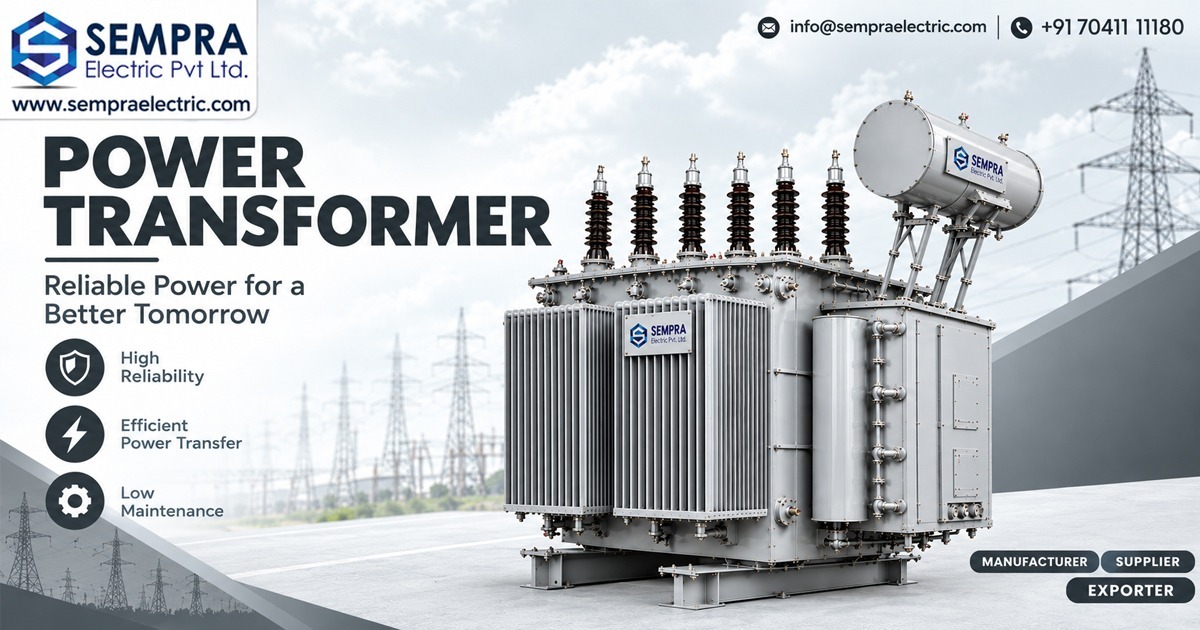
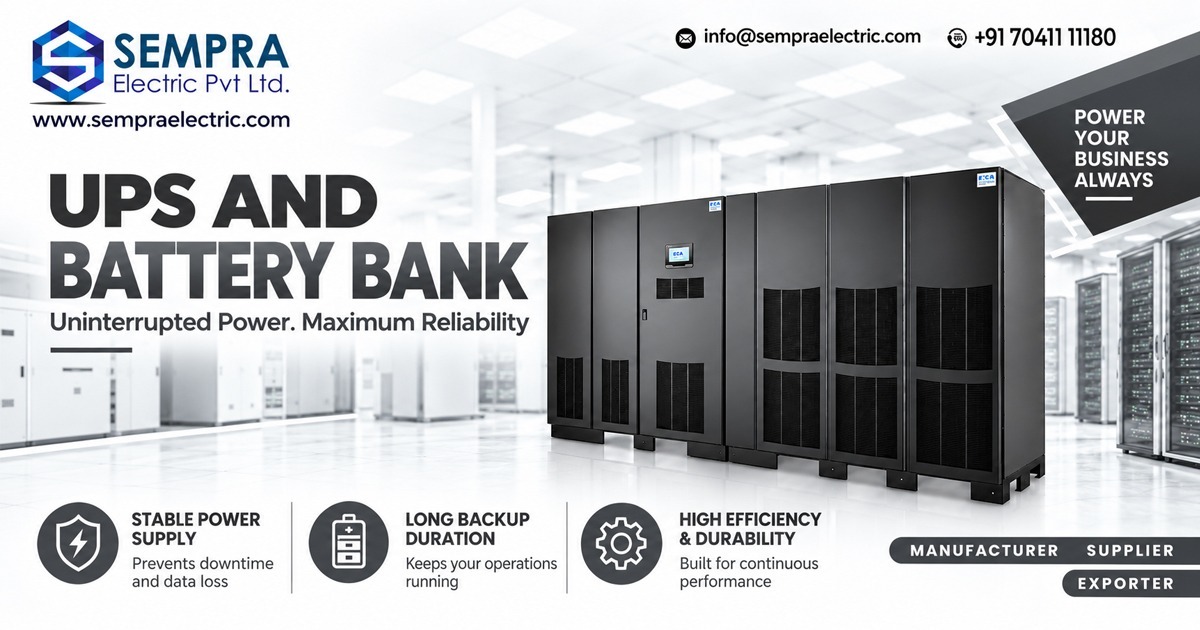
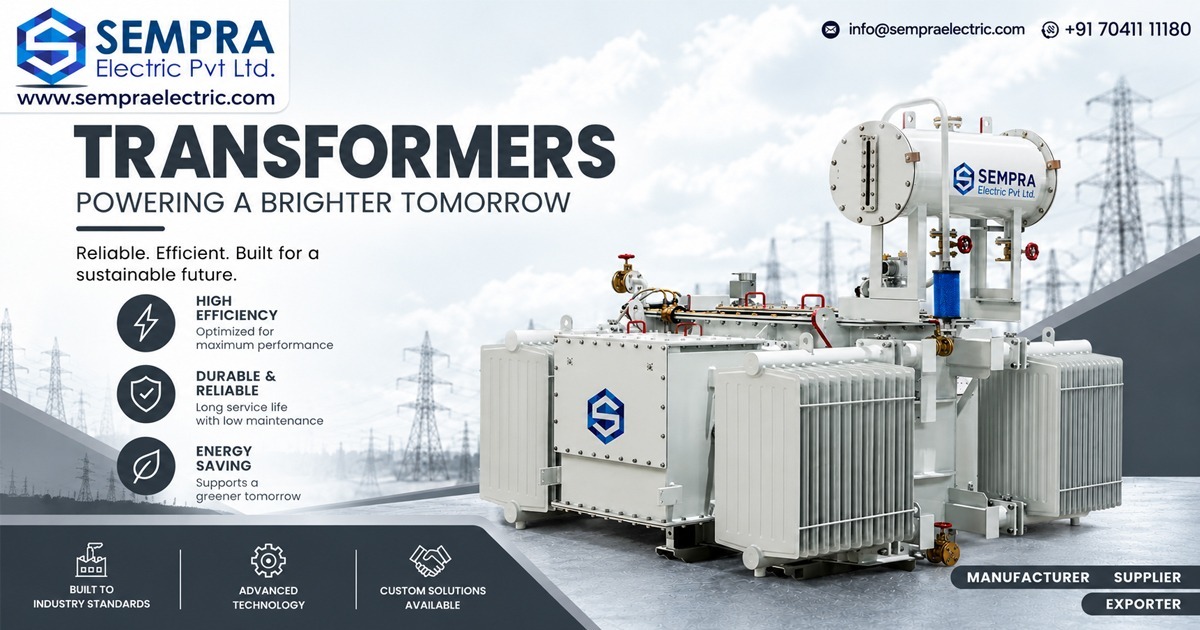
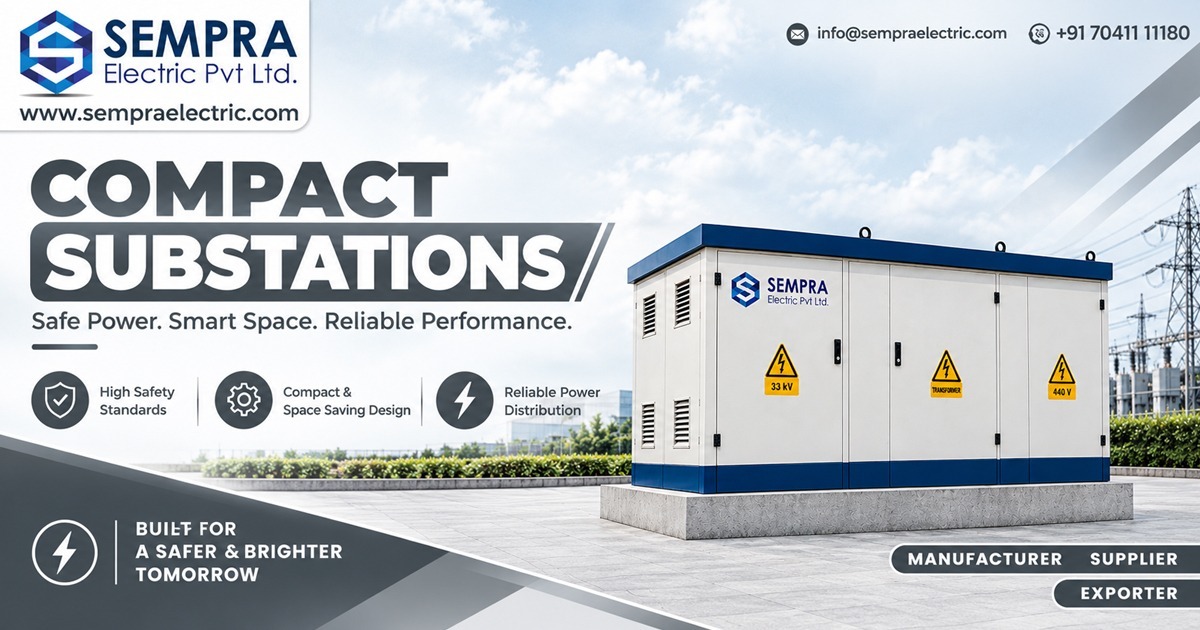
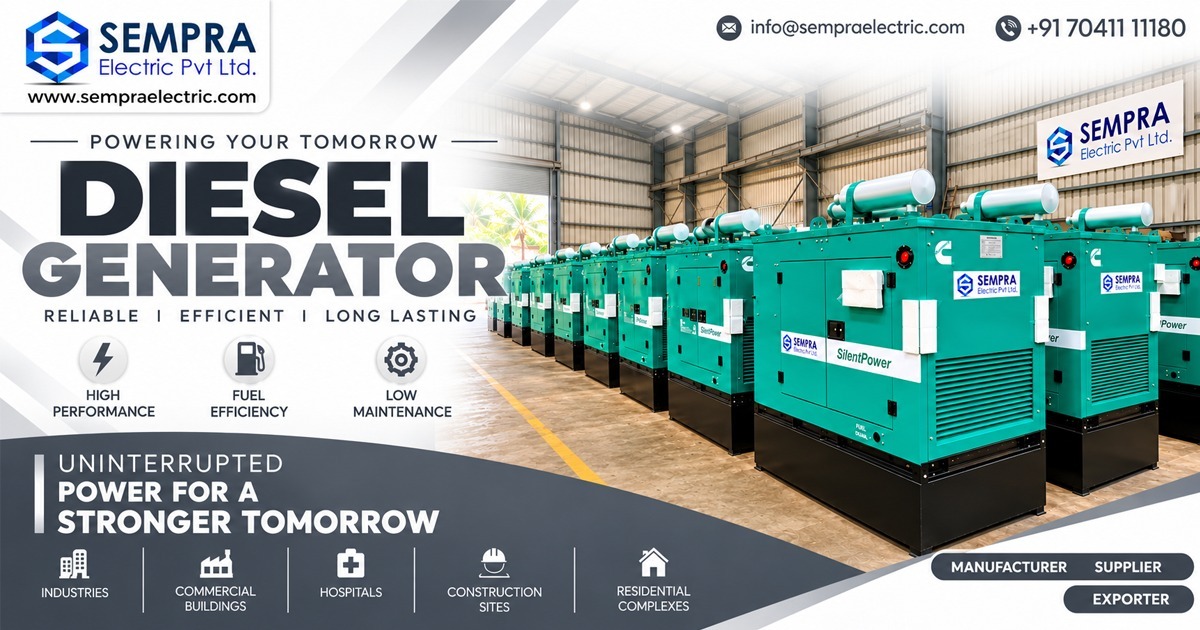
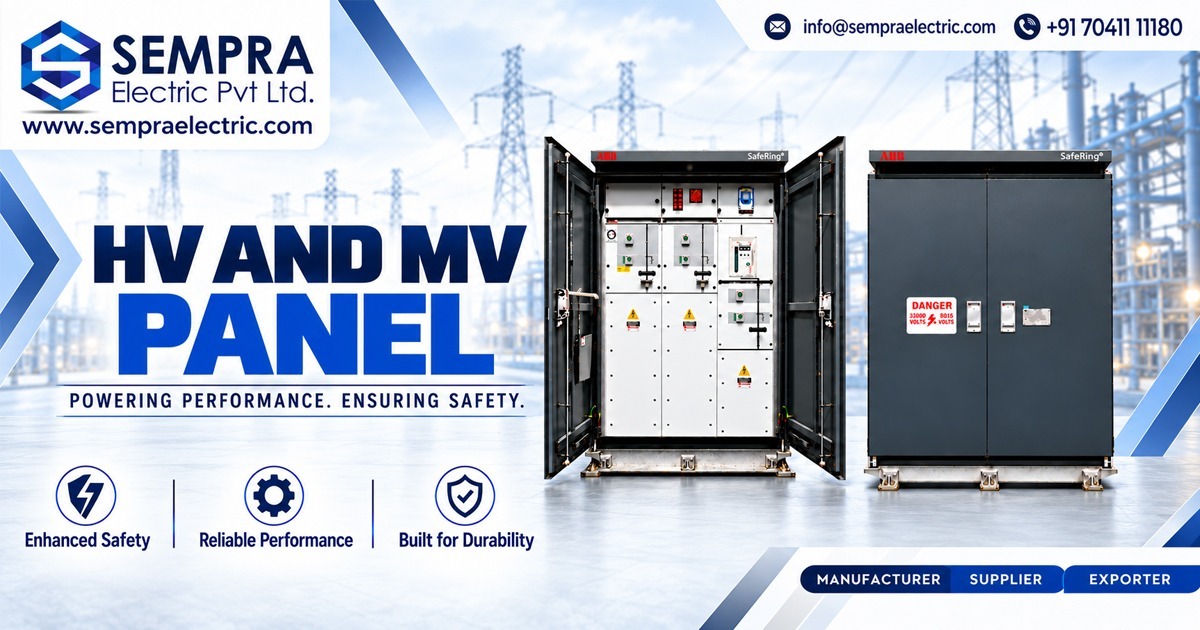
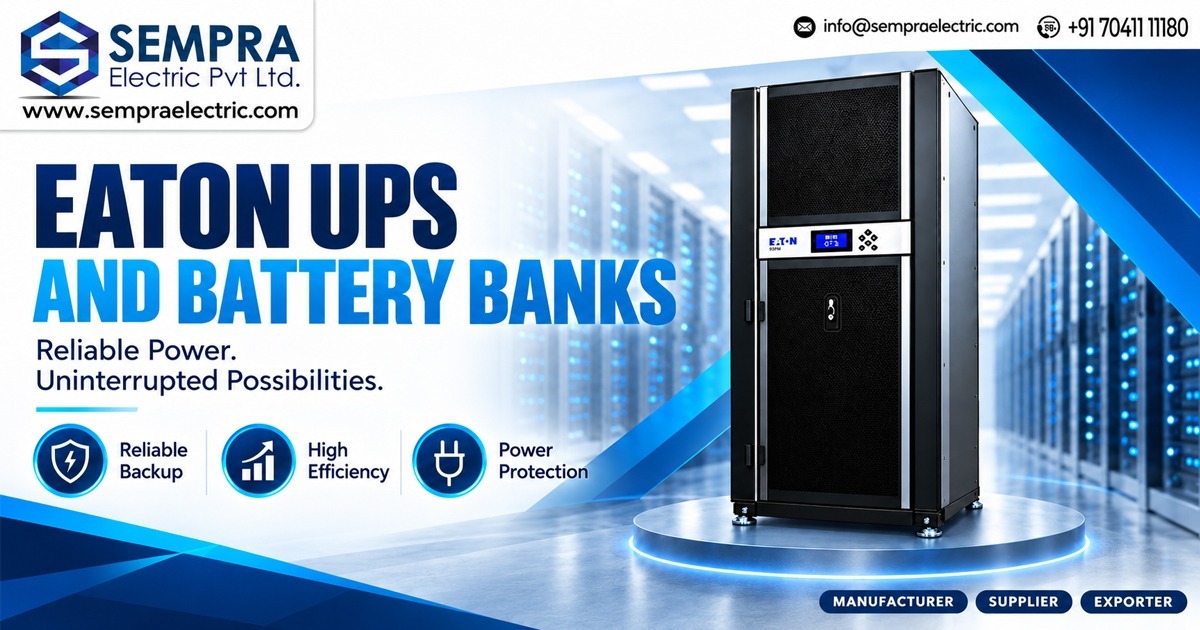
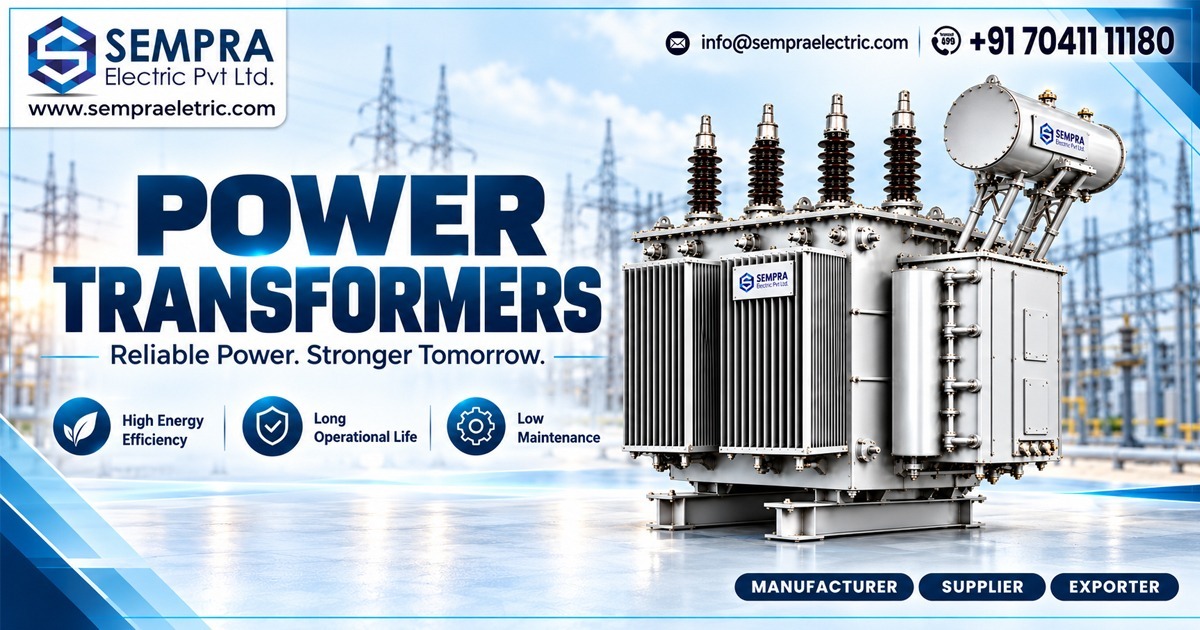
Sempra Electric Pvt. Ltd. manufactures and supplies electrical equipment, including voltage stabilizers, transformers, LV panels, MV and HV panels, UPS systems, battery banks, and diesel generators. Its website, https://sempraelectric.com/, provides information about its product range and company operations.
With manufacturing support from Ahmedabad, Gujarat, India, the company can be approached by Senegalese importers, distributors, contractors, and industrial procurement teams to discuss product requirements, technical specifications, and export enquiries.
Frequently Asked Questions
Q: What information is required to select an industrial voltage stabilizer for Senegal?
A: Buyers should provide connected load, input voltage range, required output voltage, phase configuration, frequency, and motor starting requirements. These details help determine a suitable stabilizer specification.
Q: Can a voltage stabilizer be used with three-phase industrial machinery?
A: Yes. Three-phase stabilizers are used for suitable industrial applications. Their capacity, voltage range, phase arrangement, and load characteristics should match the connected machinery.
Q: What should buyers share when contacting a Voltage Stabilizer Manufacturer and Exporter to Senegal?
A: Share the equipment datasheets, electrical load details, site voltage conditions, installation location, and required delivery information. This helps the supplier evaluate the project accurately.
Q: What documents should be checked before importing a stabilizer from India?
A: Request the technical datasheet, wiring diagrams, test documentation, installation instructions, packing details, and warranty conditions. Also verify applicable Senegalese import and electrical compliance requirements.
Conclusion
Industrial voltage regulation requires proper assessment of electrical loads, supply variations, and equipment compatibility. Buyers in Senegal should prioritize technical specifications, installation planning, and documentation before purchasing. Sempra Electric Pvt. Ltd., with manufacturing support from Ahmedabad, Gujarat, India, can be approached for product and export enquiries.
Planning to import an industrial voltage stabilizer into Senegal?
Contact Sempra Electric Pvt. Ltd. to discuss your electrical requirements, stabilizer selection, product specifications, and export enquiries.
Website: https://sempraelectric.com/
Contact Us:
+91 70411 11180
Email Id:
semprasales@gmail.com
sempraelectric@gmail.com
Please feel free to contact us today for more information or to place your order.